
What Is German Notgeld? The Emergency Money Towns Printed for Themselves
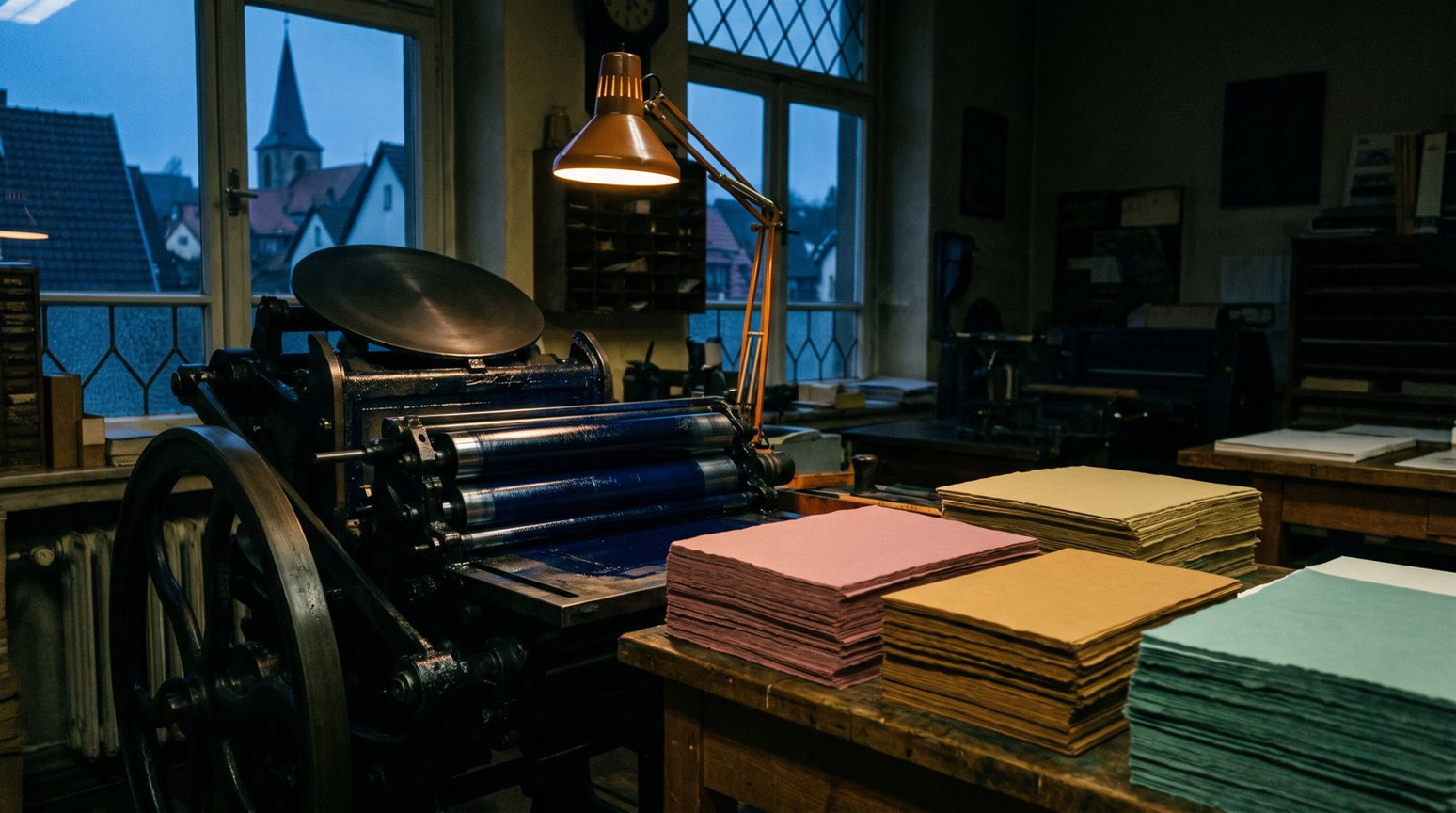
Collector's Guide · Germany · 1914–1923
What Is German Notgeld? The Emergency Money Towns Printed for Themselves
Between 1914 and 1923, thousands of German towns, companies and railways printed their own money. Some of it was plain and practical. Much of it was art. A century later, it is one of the most affordable ways to hold a piece of the Weimar years in your hand.
Quick answer
Notgeld (German for "emergency money") is local currency issued in Germany from 1914 to 1923 by towns, states, banks, companies and the national railway when official money ran short. It came in three waves: small-change notes during World War I, colourful collector series around 1918–1922, and huge-denomination notes during the 1922–1923 hyperinflation. It ended when the Rentenmark arrived in late 1923.
Why did Germany need notgeld?
The first shortage was small change. When war broke out in 1914, people hoarded coins and metal went to the war effort, so shops and towns began issuing paper substitutes between fifty pfennig and five marks. It was not legal tender. It worked because the people of a town agreed to accept it.
The second need came later and was far larger. As the mark lost value through 1922 and 1923, the Reichsbank could not print official notes fast enough to keep up with prices. Local issuers filled the gap again, this time with notes in the millions, billions and eventually trillions of marks.
What are the three types of notgeld?
| Wave | Years | What it looks like |
|---|---|---|
| Wartime small change | 1914–1918 | Simple notes, 50 pfennig to 5 marks, issued by shops and towns to replace hoarded coins. |
| Serienscheine (series notes) | c. 1918–1922 | Colourful sets of four to six designs telling a local story: folklore, landmarks, famous residents. Made as much for collectors as for spending. |
| Inflation notgeld | 1922–1923 | Practical notes in huge denominations, often printed on one side, sometimes overprinted as prices moved. |
The variety sets most collectors start with mix the first two waves: small denominations, bright designs, dozens of towns in one lot.
What was notgeld made of?
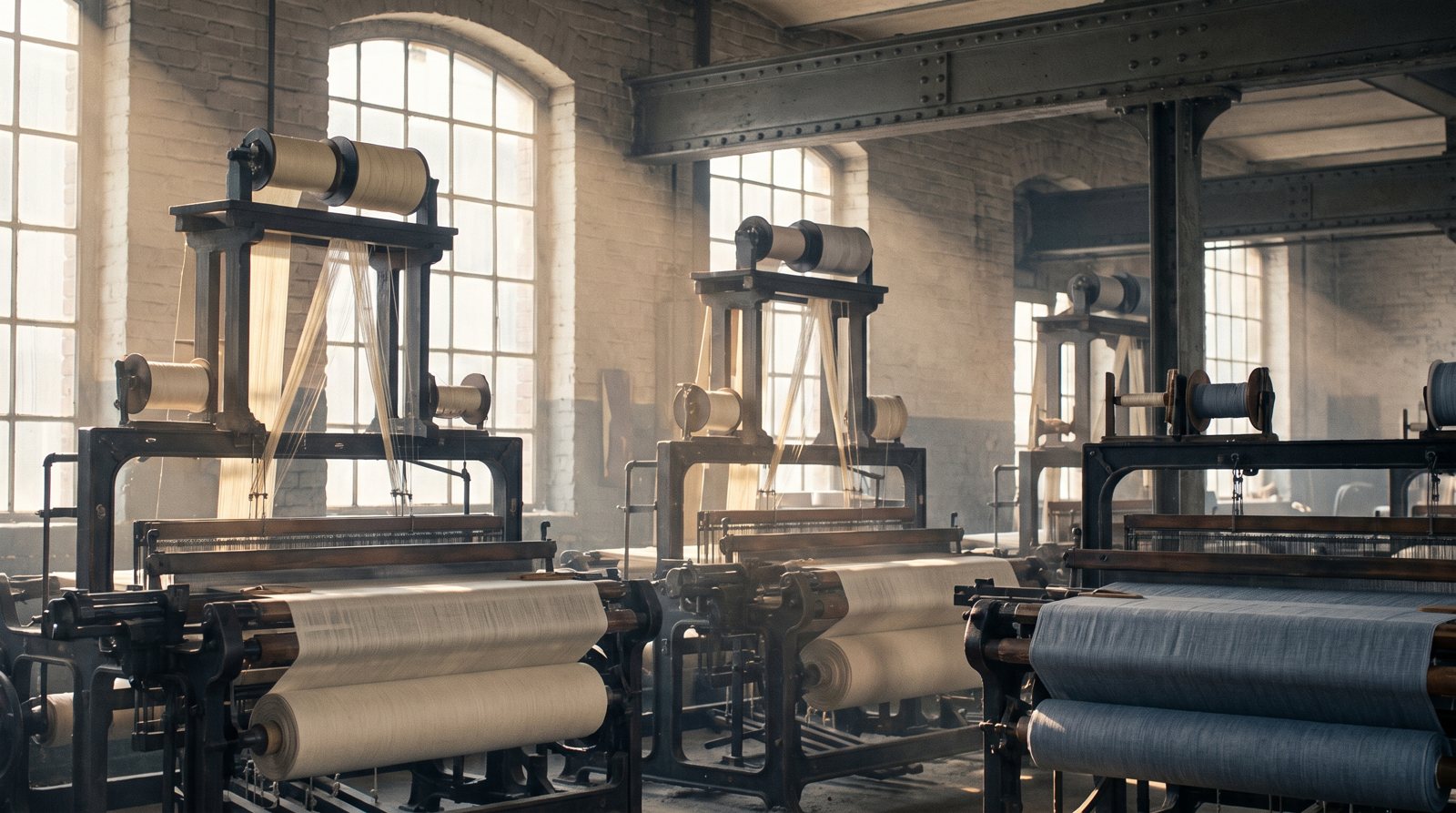
Mostly paper, but not always. Issuers experimented with silk, cloth, porcelain, foil, celluloid and more. The city of Bielefeld is the best-known example: it issued notes printed on silk and linen, and they remain some of the most sought-after pieces of the period. We currently have a 1921 Bielefeld 25 Mark on silk, graded PCGS 58 PPQ.
A town with its own printing press, its own artists and its own money. For a few years, that was ordinary in Germany.
How many notgeld issuers were there?
By the height of the 1922–1923 inflation, the University of Chicago Library's notgeld collection notes that up to 4,000 issuing bodies were producing notgeld, with denominations reaching trillions of marks by November 1923. That is why no two variety sets are ever quite the same: the pool of towns and designs is enormous.
Did notgeld expire?

Often, yes, and many notes say so on their face. The Deutsche Reichsbahn million-mark note on our shelf is dated Berlin, 12 August 1923, and states that it would be accepted at all railway counters until 31 October 1923: a lifespan of about eleven weeks. Printing an end date was common, because issuers did not want to be holding their own paper once the crisis passed.
How fast did prices rise in 1923?
Germany's hyperinflation peaked in October 1923 at roughly 29,500 percent a month, according to the Hanke-Krus World Hyperinflation Table. In Berlin, bread that cost about 700 marks in January 1923 cost 670 million marks by October. By late November the rate was about 4.2 trillion marks to the U.S. dollar. We cover the full timeline in our history of the Weimar hyperinflation.
When did notgeld end?
The Rentenmark, introduced in November 1923 at one trillion paper marks to one Rentenmark, restored order. With a stable currency back in circulation, the need for local emergency money disappeared within months.
How should a new collector start with notgeld?
- Start with a variety set. Twenty-five to thirty-five notes from different towns gives you the range of designs at a few dollars a note.
- Pick a theme once you know what you like. A single city, a region, railway issues, or the high-denomination 1923 notes.
- Add graded Reichsbank notes alongside. A PCGS- or PMG-graded 1922–1923 Reichsbanknote puts the local story next to the national one.
- Store them flat and dry. Most notgeld is thin paper; archival sleeves keep the colours and edges intact.
Frequently asked questions
- What does "notgeld" mean?
- It is German for "emergency money": currency issued locally when official money was scarce.
- Was notgeld legal tender?
- No. It was accepted voluntarily within the local area of the issuer, which is why it worked in one town and not the next.
- What are serienscheine?
- Series notes from about 1918 to 1922, issued in sets of four to six related designs that told a local story. They became popular with collectors while they were still being issued.
- Is notgeld rare?
- Common serienscheine survive in large numbers because people saved them at the time. Textile issues, high-grade inflation notes and some small-town issues are much scarcer.
- What is the difference between notgeld and Reichsbanknotes?
- Reichsbanknotes were the national currency issued by the Reichsbank. Notgeld was issued locally by towns, companies and the railway to fill gaps the national currency could not.
- When did notgeld stop?
- After the Rentenmark was introduced in November 1923, the need for emergency money faded by 1924.
Sources
- University of Chicago Library, Guide to the Notgeld Collection 1914–1923
- American Numismatic Association Money Museum, German Notgeld
- Planet Banknote, Every Hyperinflation Ranked (Hanke-Krus data)
From our shelf
Nine different 1920s notgeld variety sets, 25 to 35 notes each, every set photographed as you will receive it.
Planet Banknote · Family owned · Sarasota, Florida
Explore Popular Articles
What Is German Notgeld? The Emergency Money Towns Printed for Themselves
Collector's Guide · Germany · 1914–1923 What Is German Notgeld? The Emergency Money Towns Printed f...

How to Store Banknotes: Sleeves, Holders & Handling
Collector's Guide · Care and Storage · Updated September 2026 How to Store Banknotes: Sleeves, Hold...

Banknote Grading Scale Explained: VF, XF, AU, UNC Meaning
Grading Guide · Numismatic Reference · Updated September 2026 Banknote Grading Scale Explained: Wha...

Zimbabwe 50 Trillion Dollar Note Value & Guide (P-90) 2026
Collector's Guide · Zimbabwe · Updated September 2026 Zimbabwe 50 Trillion Dollar Note (P-90): Valu...